Ballast water management, explained
Analysis of BWMS rules, commissioning testing, and port state control from two decades in the industry. Independent, with zero systems sold.
Commissioning Testing vs. Type Approval Testing of a BWMS: What’s the Difference?
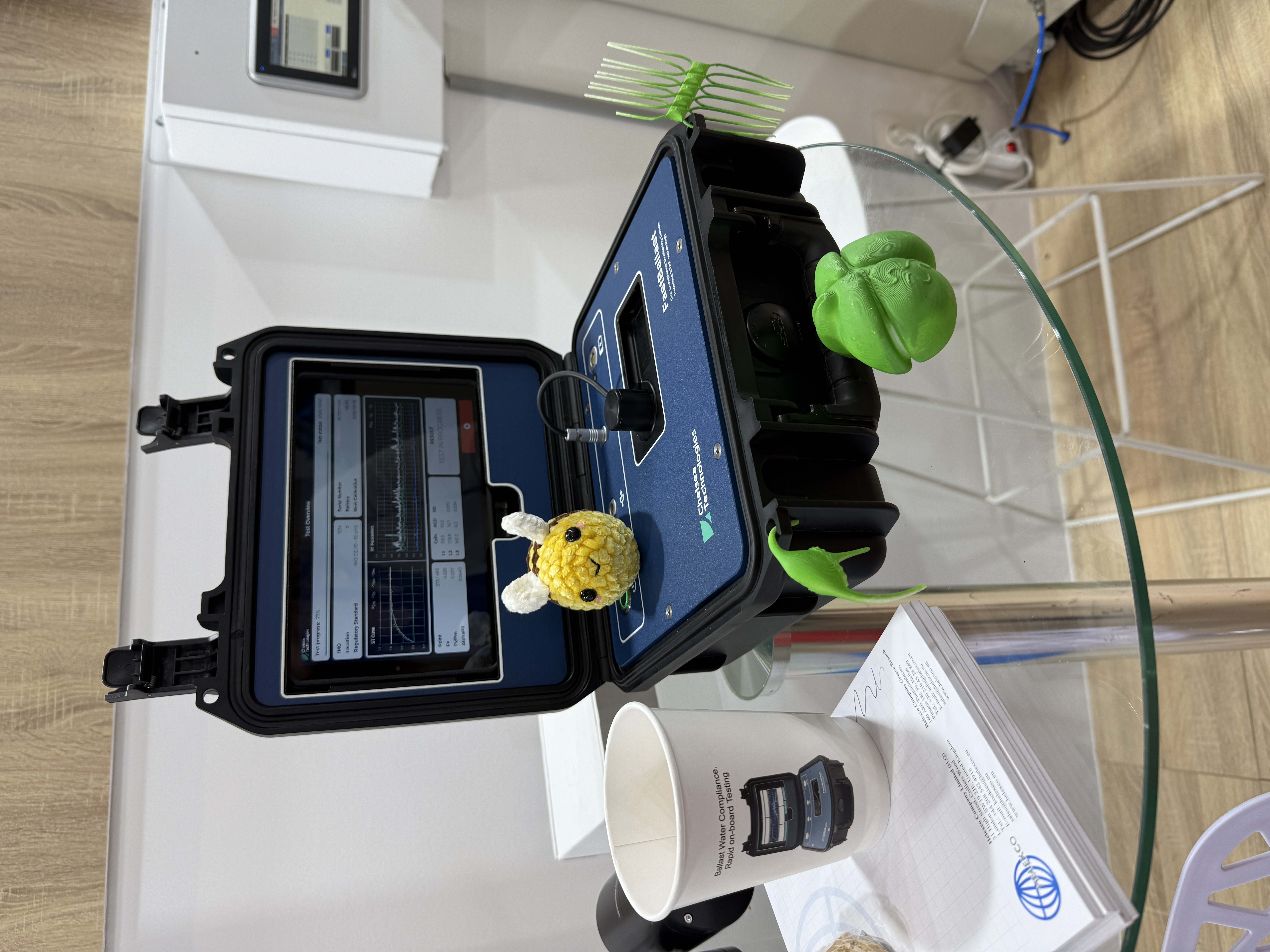 Commissioning Testing vs. Type Approval Testing of a BWMS: What’s the Difference? Ballast water management systems (BWMS) go through tw…
Optimarin Guardian type approval demands immediate vessel compliance reviews
Optimarin Guardian type approval brings a wake-up call to the industry The commercial availability of the DNV type-approved Optimarin Guardian ballast water management system is more than just another type approved system hitting a crowded market.
How California atmospheric rivers disrupt ballast compliance
How California atmospheric rivers may impact ballast compliance The eastern Pacific Ocean met the El Niño threshold in June, and forecast models project Pacific temperatures to rise at least 3 degrees Celsius above average by November. This is more than a simple meteorological shift.
The tightening circle of global port state control
The signals point to a clear and unforgiving trajectory: the rise in global vessel detentions due to environmental non-compliance are directly due to the heightened inspection requirements and mandatory, verified reporting thresholds.
Port State Control is ending the era of passive ballast compliance
Port State Control inspections are about to become significantly more demanding for vessel operators accustomed to passive compliance.
Port State Control is getting real
Inspectors are no longer just checking your paperwork to see if the dates match. The latest annual report from the Paris MoU reveals that the overall ship detention rate rose to 4.18% in 2025, up from 4.03% in 2024 and 3.81% in 2023. If you operate commercial tonnage, that upward trend should make you very nervous.
Your biofouling record book is about to become a legal liability
This post is bound to spark more debate than anything else I have published, because it asks you to stop looking at the high-level, net-zero carbon headlines and start looking at the quiet, binding machinery grinding away in the committee rooms.