Ballast Water Management Plans
A BWMP your crew can actually use.
Ship-specific means more than a name on the title page
Regulation B-1 of the 2004 Ballast Water Management Convention requires each ship to carry a ballast water management plan that is specific to each ship. Too many Owners read “specific to each ship” as nothing more than the vessel's name printed on the title page. No wonder so many of them run into trouble with ballast water treatment. And after a dedicated inspection campaign on ballast water, Port State Control officers no longer make sure you have a plan; they test whether your crew actually follows it.
A mismatched plan works against you
A BWMP that doesn't match your vessel's actual installation, operations, contingency measures, and routes becomes a liability rather than a compliance tool. It works against you the moment a port state control officer starts checking it against the vessel in front of them. These are the mismatches they look for:
- Operating guidance the crew can't find
- No vessel-specific contingency procedures
- Missing challenging water protocols
- Operating instructions and procedures that do not match your Ballast Water Record book
- Reporting instructions and emergency contact numbers
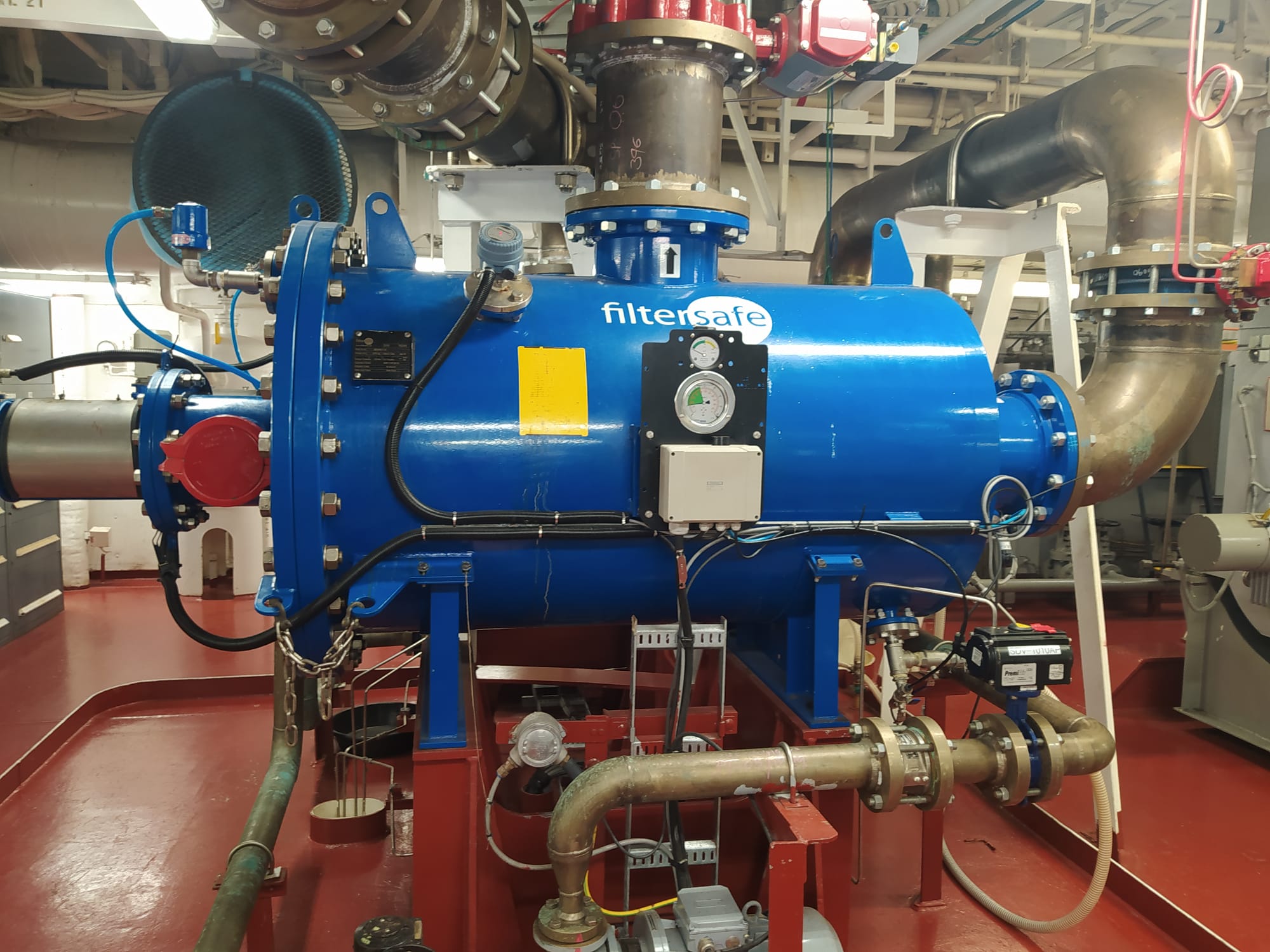
- Step-by-step procedures for your exact system and installation configuration.
- What the crew does when the system can't treat to standard: uptake and discharge alternatives.
- The salinity, temperature, and turbidity thresholds where your BWMS is not designed to perform.
- Steps to reduce risk in the difficult conditions your routes encounter.
- Who to contact, what to report, and when, internally and to regulators.
- The newly-required procedures for when you must operate in water that exceeds those design limits.
Inside a compliance-ready BWMP
Your BWMP should be much more than a regulatory paperweight that meets the check-box requirements on a PSC inspector's sheet. It should give specific operating instructions for the system actually fitted to your ship, and it should set out the contingency measures, system design limitations, mitigation measures, and notification protocols you need for the times a system has to be bypassed and the ship needs to return to compliance with the D-2 discharge standard.
And it needs to be periodically reviewed and approved by your Flag Administration…
Our custom BWMPs deliver
Let us transform your BWMP into the kind of document the IMO envisioned, so your crews have the guidance they need to operate safely and your ships carry approved contingency measures and mitigation steps for the times when the BWMS does not perform as expected.
- Actionable crew guidance in plain language
- Vessel-specific contingency measures
- Full challenging water documentation
- Port state inspection ready from day one
- A real operational tool
Free BWMP Structure Template
It is no longer good enough to simply state that you were in challenging water. Your plan needs its own section setting out the contingency measures you will use when you encounter challenging water quality. But who helps you put those measures together? Download our template, free of charge, to see how a BWMP should be organized and where operating instructions, contingency measures, and challenging-water protocols belong. It won't replace a vessel-specific plan, but it's a clear starting point.
Get a Custom BWMP
Tell us about your vessel and we'll scope a plan that works.