Confirm the result is real
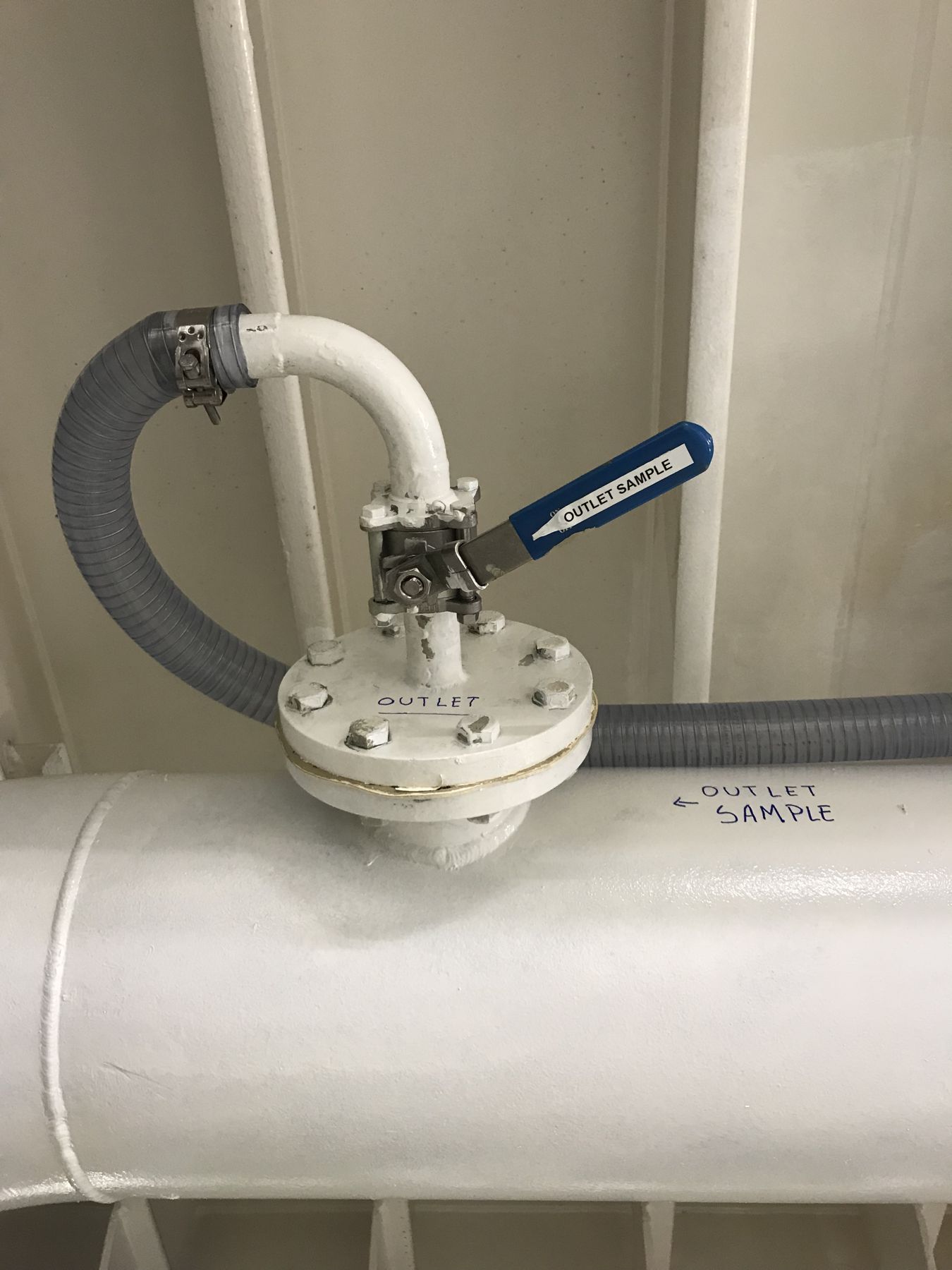
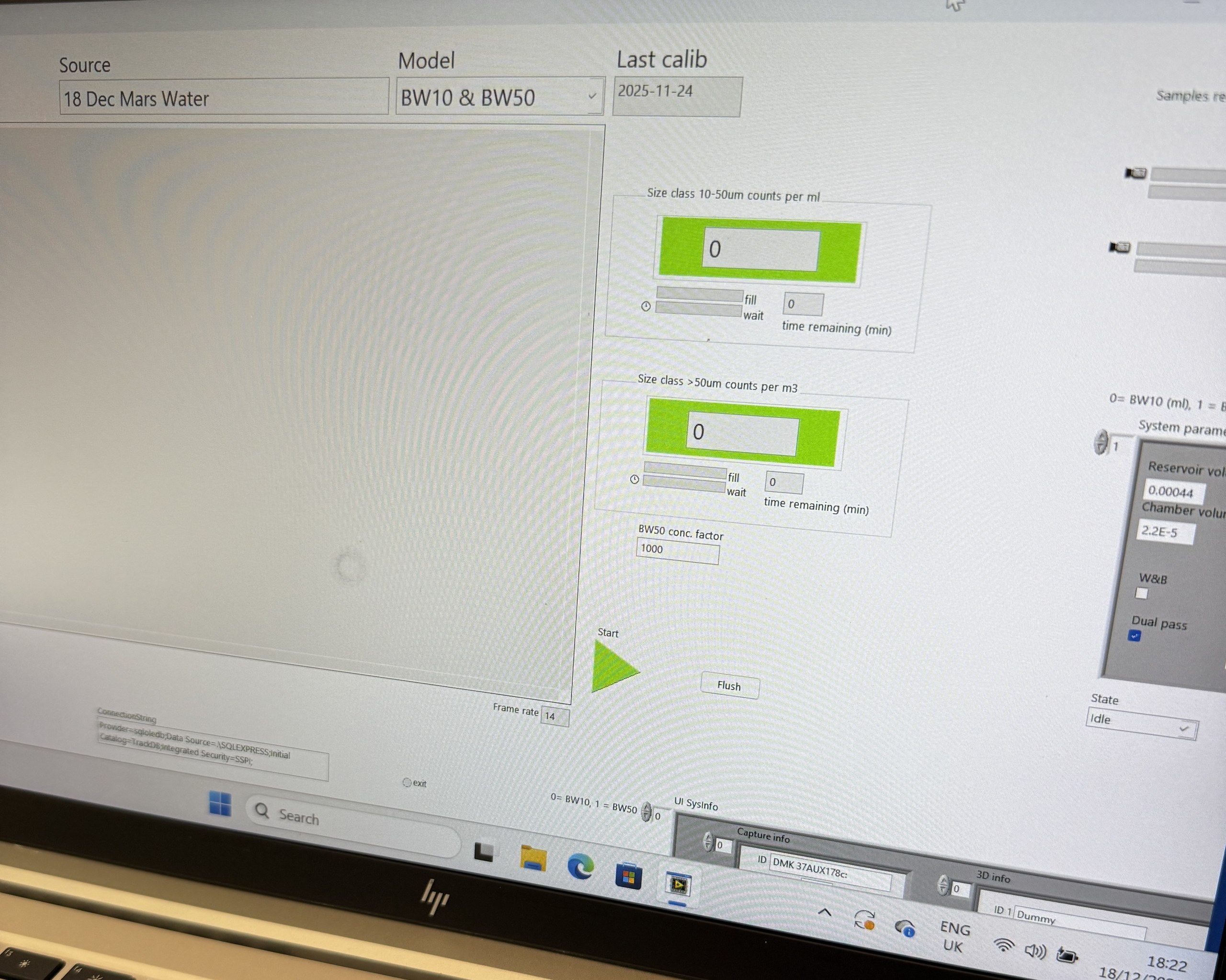
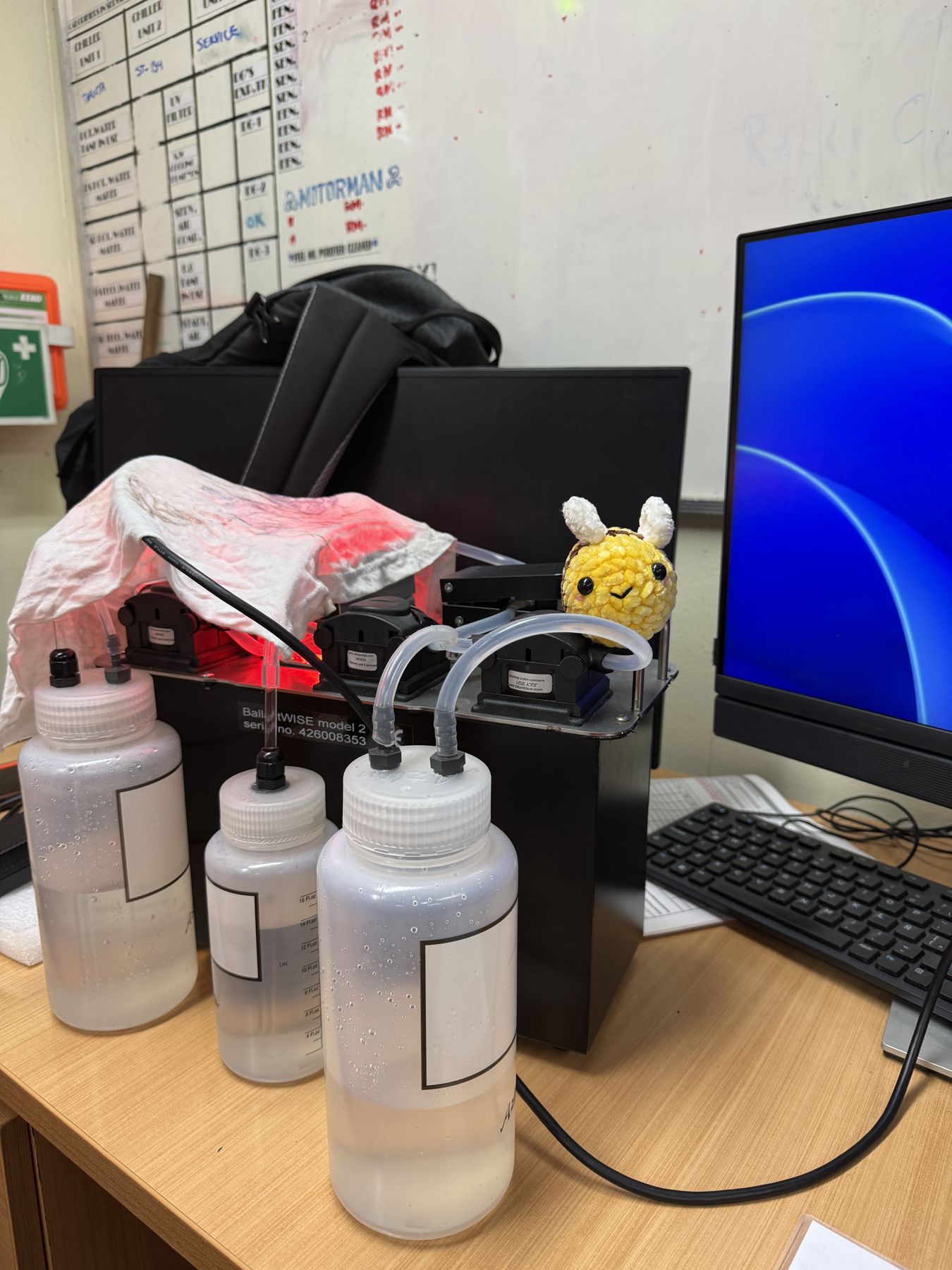
When a BWMS fails to meet the D-2 discharge standard, start by confirming that the result is real before changing anything on the system. Make sure you verify how the sample was taken and analyzed: was it representative? Were the sampling point and lines clean? And was the method and holding times appropriate? Repeat the test if possible.
Check the logged data against type approval
Then compare the system's logged operating data for the ballasting operation against its type-approval parameters. Look at flow rate, filter differential pressure, UV intensity or electrochlorination dose, TRO levels, neutralization (where applicable), and any alarms or bypass events.
Check sensors and consumables
Sensors that are out of calibration or have drifted are a common cause of a system that appears to be performing but is not. The same goes for worn consumables such as UV lamps, electrodes, or chemical supplies.
Check the water and the tanks
If the equipment and data are in order, look at the conditions around the system. Water quality factors like high turbidity, low UV transmittance, low salinity, or cold water can reduce treatment effectiveness and may be outside the system's approved design limitations. Sediment, biofilm, or regrowth in tanks and piping can allow organisms to bypass or avoid treatment, so check tank condition and cleaning history.
What to do with the ballast meanwhile
Do not discharge ballast water that has not been verified as compliant. Record the findings in the ballast water record book and engage the OEM of your BWMS as soon as possible, and make sure you consult your flag administration and the local port state on contingency options. Document each step taken and keep the full data record. It supports the investigation and shows due diligence to inspectors.
Frequently Asked Questions
- No. Hold the ballast water onboard until the cause is identified and the water is verified as compliant. Contact your flag administration, class society, and the port state, and follow your ballast water management plan and contingency guidance.
- Repeat the sample at the correct sampling point, using clean equipment and proper handling, and compare the result against the system's logged operating data. If the logs show normal operation but the sample fails, check the sampling procedure, the sampling point, and the analysis method.
- Follow the manufacturer's maintenance and sensor calibration schedule, replace consumables on time, and review operating data regularly rather than only after a failure. Training crew on the system's alarms and limits also helps catch problems before a discharge.