What We Do
On-site inspections, crew training, data analysis, system selection, independent BWMS support for ship owners and fleet managers worldwide.
One independent partner across every stage of BWMS compliance
From initial concept and selection through inspection, training, commissioning, and ongoing data analysis, we cover the unique needs of each individual project. Explore the six core services below, every one of them backed by two decades in the BWMS industry and more than thirty years in maritime.
Inspections & Surveys
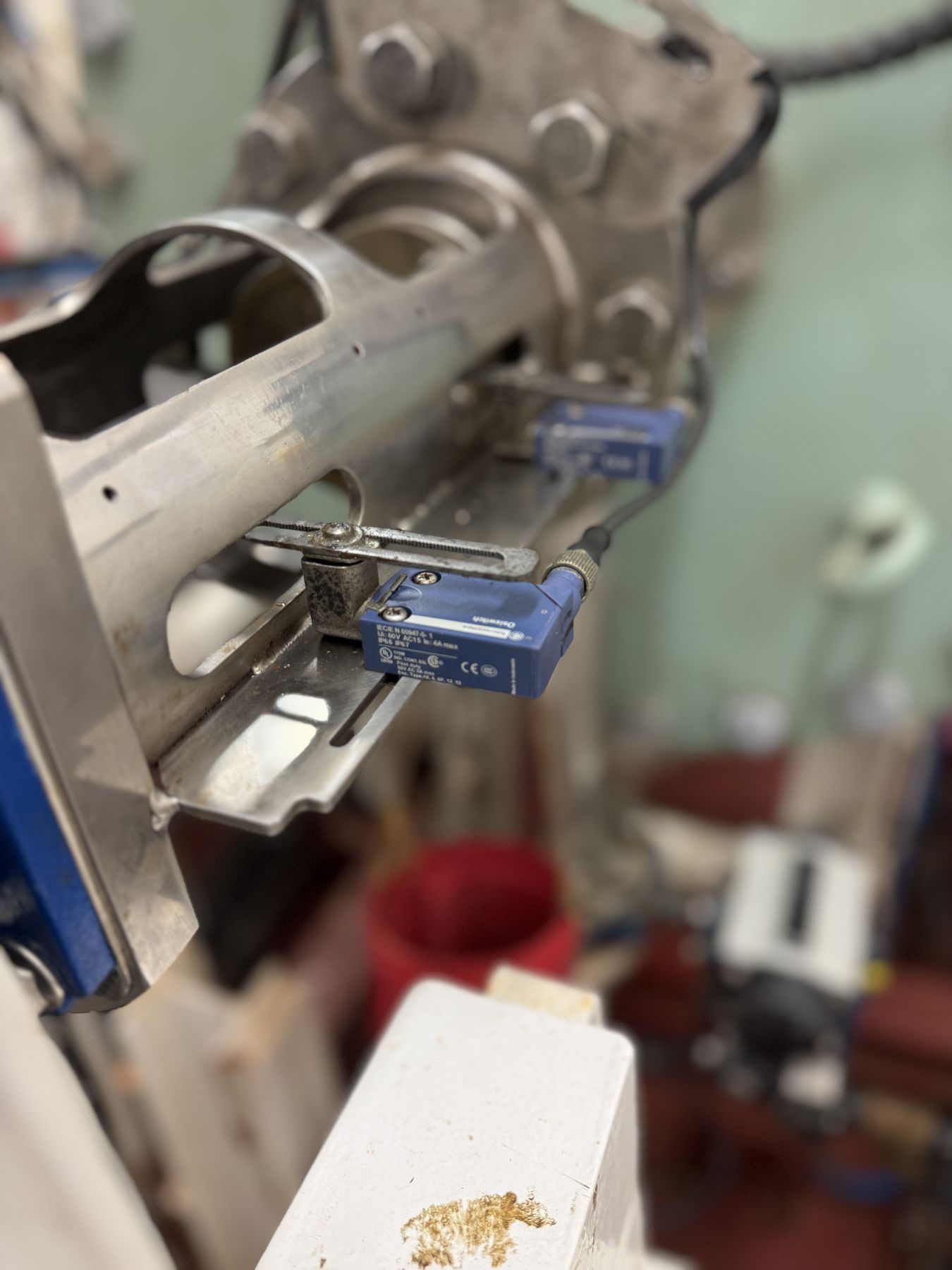
Nothing beats being on a ship when diagnosing a problem. BWMS treat massive volumes of water to standards 100x stricter than residential drinking water. We give you a specific list of fixes to improve system performance.
- Pre-PSC, Flag State & owner-driven surveys
- Most ships have 3–6 issues they don’t know about
- Performance enhancements for challenging water quality
Training & Regulatory Updates
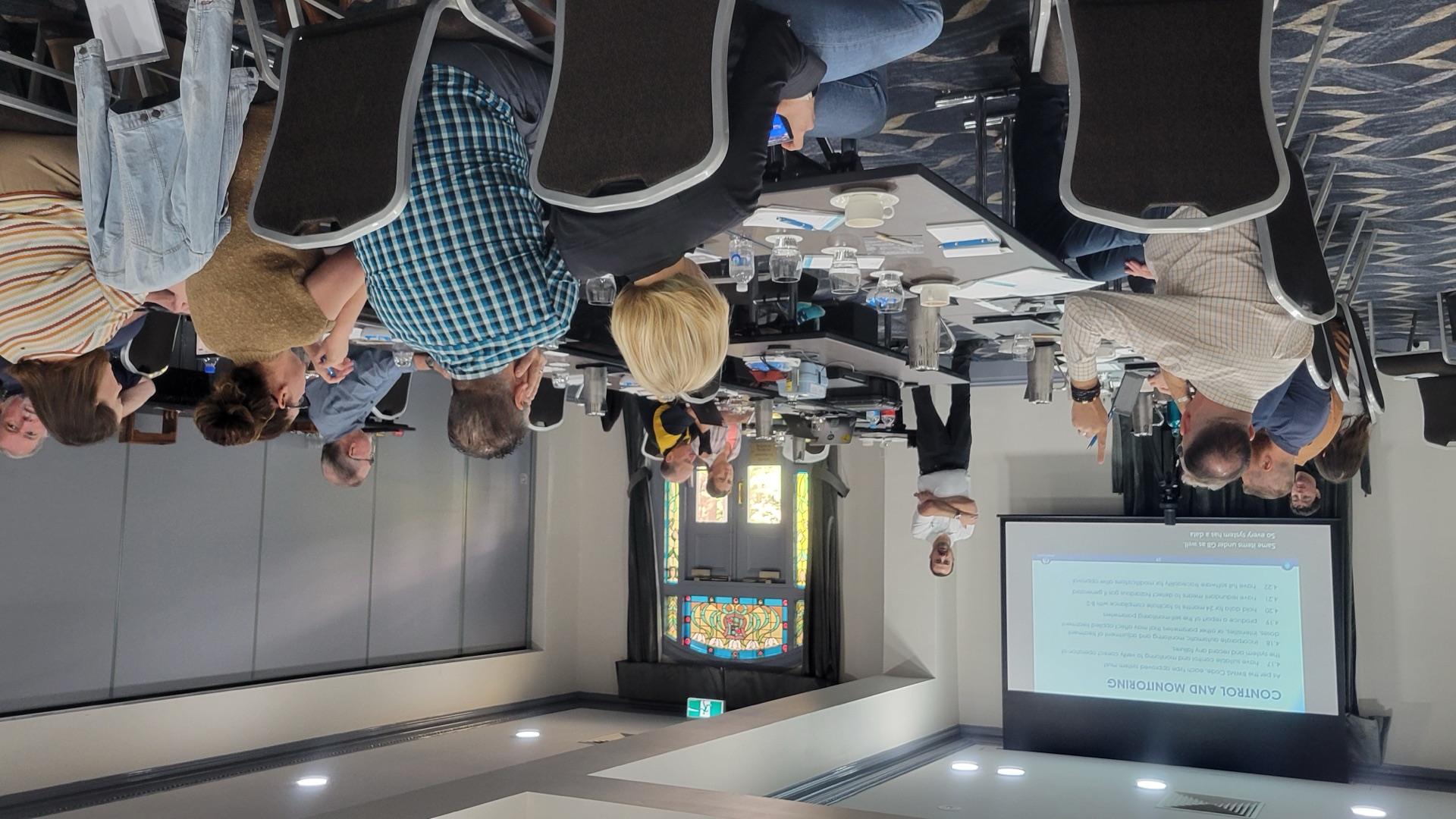
Port state officers now check ballast water on routine inspections, and they test the crew, not just the paperwork. Your crew needs to be ready. Custom training, self-paced courses, and both fully digital and instructor-led sessions available.
- Ballast water training is required under Regulation B-6
- Training for crews, officers, shoreside personnel, and Port State Control
- Custom, self-paced, digital and instructor-led formats
Ballast Water Management Plans
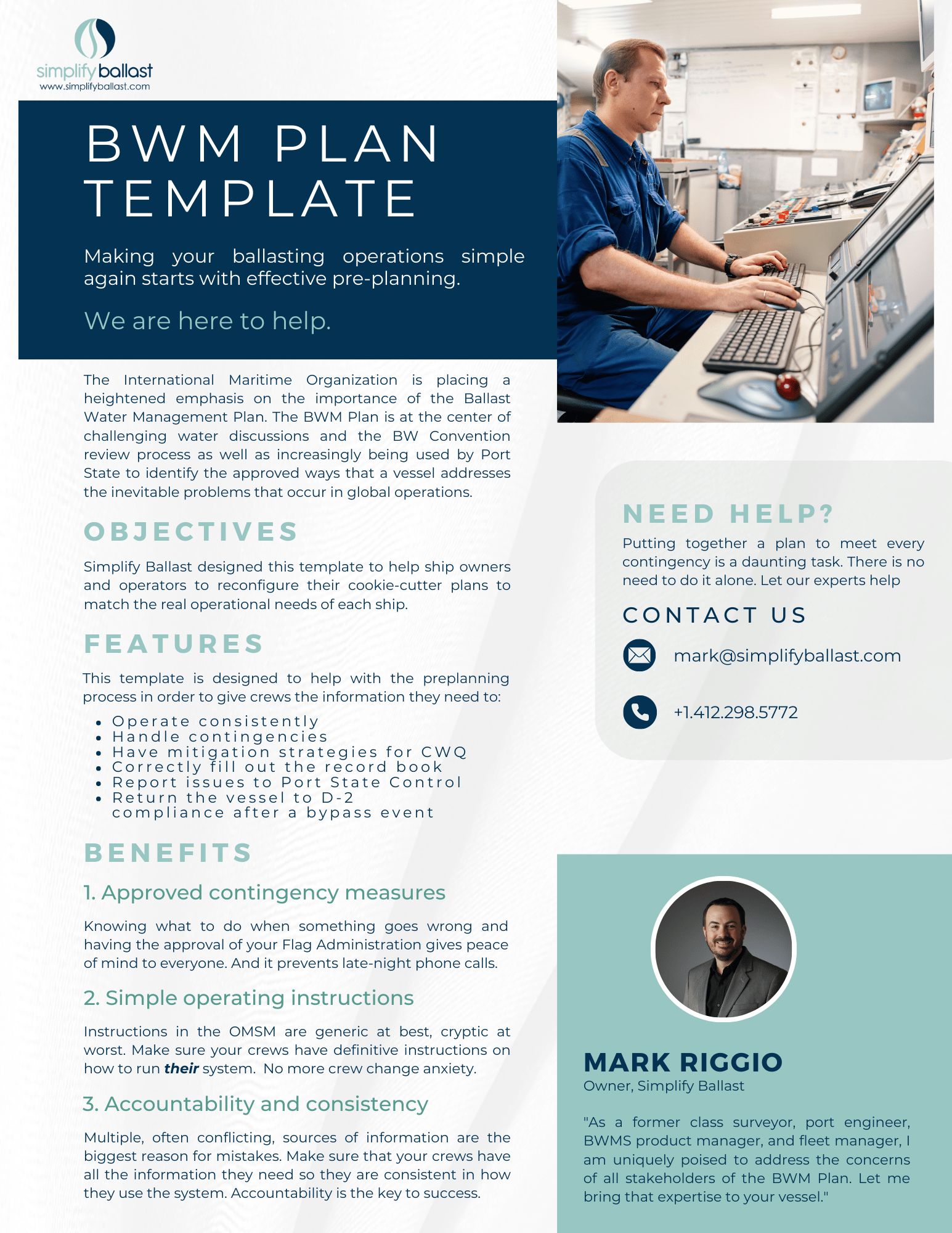
Regulation B-1 of the 2004 BWM Convention requires vessel-specific plans. Most ships just put the ship name on a generic template. We write BWMPs your crew can actually use, with operating instructions and contingency measures specific to your vessel.
- The first document an inspector opens
- Vessel-specific operating instructions
- Real contingency measures
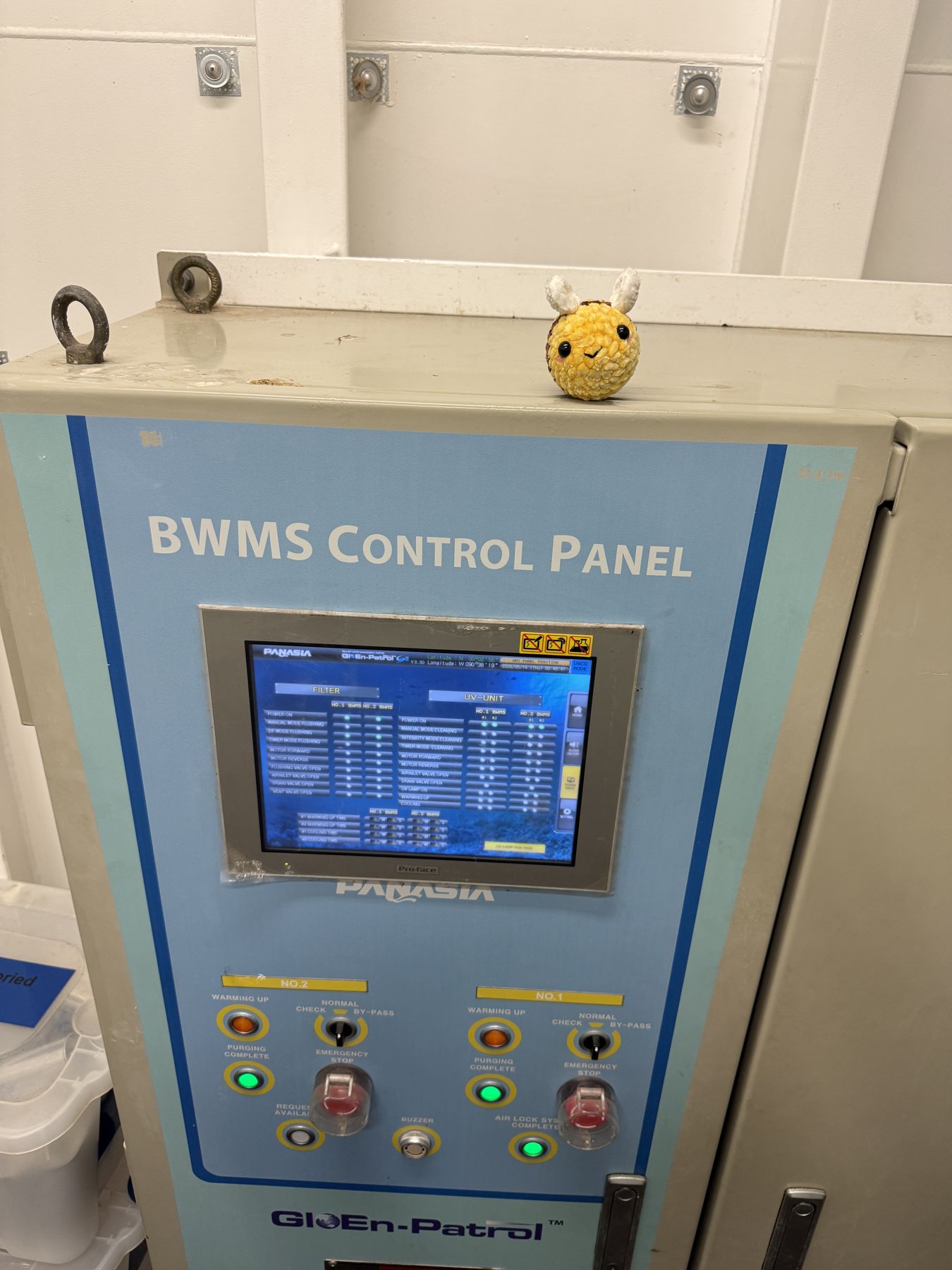
Data Log Analysis
Every BWMS has data logs monitoring flows, pressures, temperatures, and valve positions. Candidly, BWMS manufacturers do not make them easy to use. We have the keys and the knowledge to analyze your logs in order to identify issues, past problems, and the causes of damage, often diagnosing remotely without ever stepping aboard. Free demonstrations available.
- Remote diagnosis from your existing logs
- Find the root cause
- Free demonstrations available
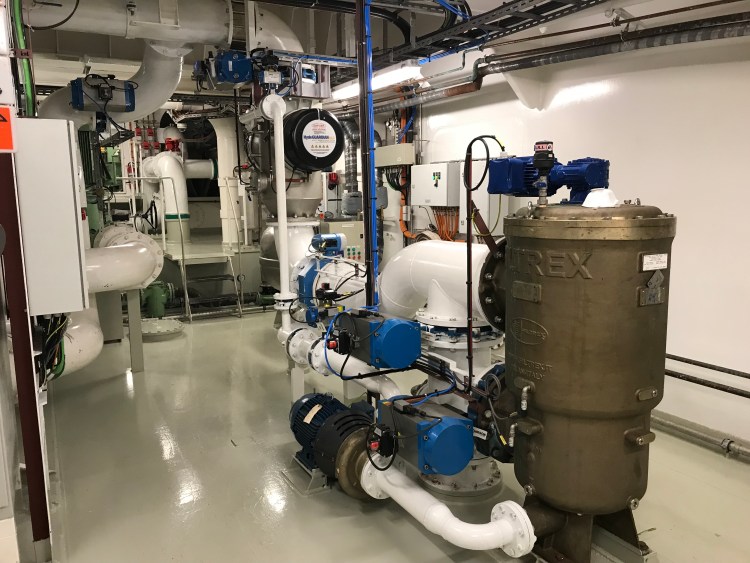
Commissioning & Troubleshooting
After retrofit, commissioning testing per BWM.2/Circ.70/Rev.1 is required. When tests fail, where is the manufacturer? We’ve got 10+ years of experience getting BWMS back to work, often diagnosing issues from data logs of previous failed tests.
- Diagnose from prior failed-test data
- Pass the next attempt
- Experience- and fact-based assessments to support warranty claims
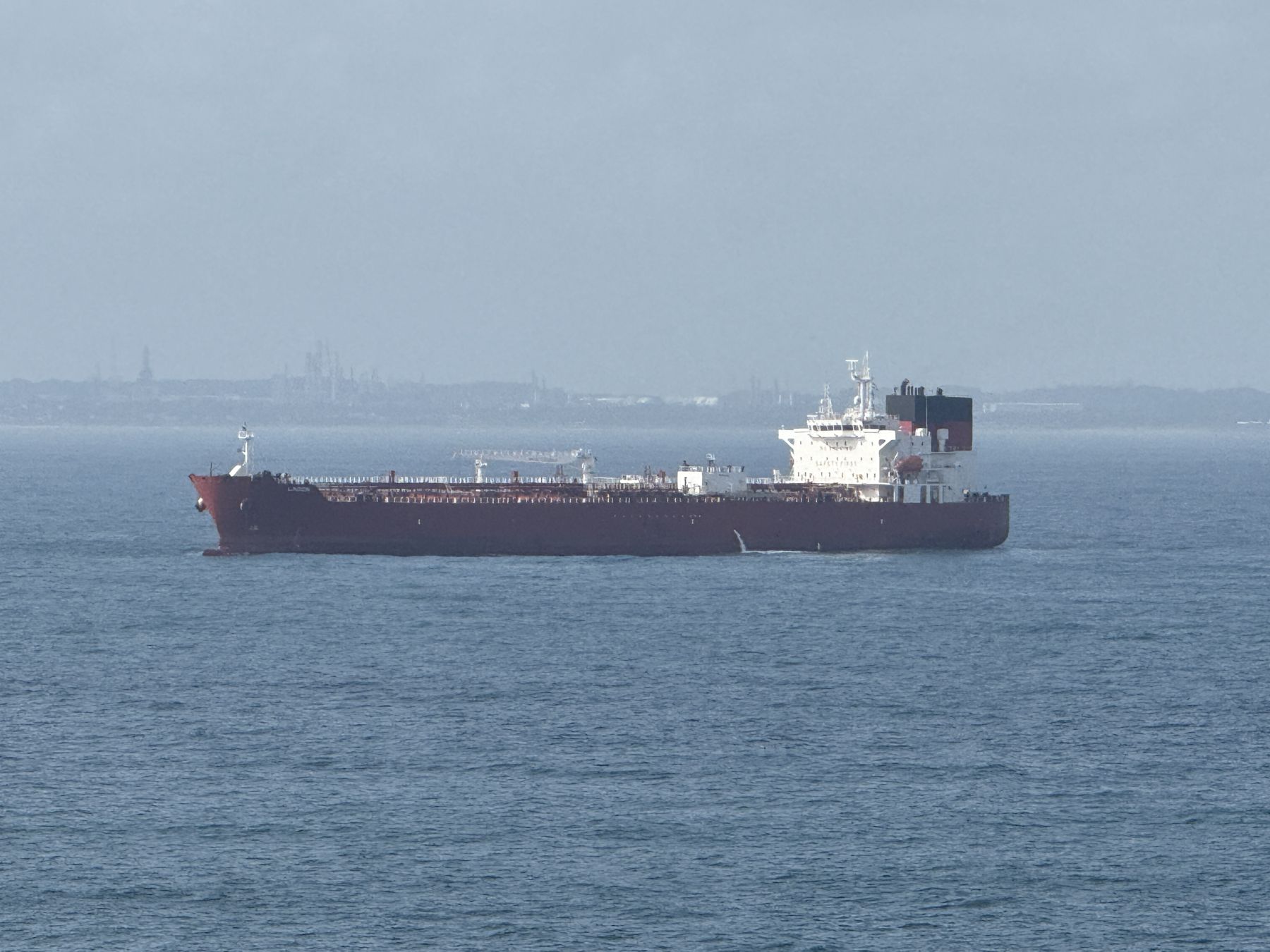
BWMS Selection Criteria
Selecting the right BWMS starts with knowing your vessel’s challenges: water quality, salinity and temperature ranges, flow requirements. Not every vessel needs the highest-performing system. We help match your needs to the lowest practical price.
- We test your water and know your routes
- Not every vessel needs the priciest system
- Manufacturer-independent, zero systems sold
Frequently Asked Questions
Managing ballast water compliance across a large fleet takes planning and coordination. In order to manage ballast water compliance across a large fleet, we recommend you set one compliance baseline for every ship, monitor each ship's performance centrally, and focus your attention and budget on the vessels with the greatest risk. Simplify Ballast recommends a five-part approach:
- Build a standard compliance file for each ship. Include the approved management plan, Record Book, type approval and commissioning documents, certificates, calibration and maintenance records.
- Know your fleet. Group ships by BWMS type, age, trading pattern and exposure to challenging water, and identify who is responsible on board and ashore.
- Review data centrally. Collect BWMS logs regularly and review them for alarms, bypasses, drifting sensors and trends, so problems surface before inspections do.
- Audit by risk. Send surveyors or third party auditors first to ships with recurring alarms, recent system changes, past deficiencies or demanding trading areas, rather than visiting every ship equally.
- Train and communicate consistently. Use common training, procedures and reporting, and a clear escalation path for failures.
Add a routine for tracking regulatory change, such as updates to record-keeping rules, and sharing what changes with every ship.
Simplify Ballast supports fleets with remote data log analysis, targeted on-site surveys, vessel-specific management plans and crew training. Schedule a call to discuss how we can best support your fleet.